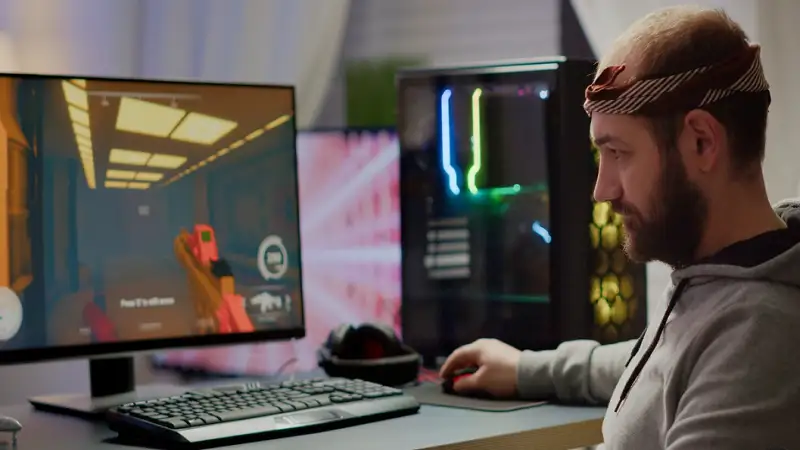
Many players search for practical advice about improving gameplay, increasing performance, reducing lag, and making their systems run more efficiently. Learning the right techniques can help beginners understand games more quickly while allowing experienced players to develop better habits.
The topic of pblinuxtech gaming hacks from plugboxlinux can be explored through practical gaming techniques, system optimization, useful shortcuts, and responsible ways to improve performance. These methods focus on legitimate gameplay improvements rather than cheating, exploiting other players, or compromising computer security.
Whether you play on a Windows PC, a Linux computer, or another gaming platform, understanding the basics of optimization can help you enjoy smoother gameplay and make better decisions during challenging moments.
1. Understanding Gaming Hacks and Smart Techniques
The term gaming hacks can have different meanings depending on the context. Some players use it to describe shortcuts, hidden features, performance improvements, and useful strategies. Others use the term for unauthorized software that changes how a game operates.
There is an important difference between these approaches. Legitimate gaming techniques help players improve their skills or optimize their systems without violating game rules. Unauthorized cheats, aimbots, and other unfair tools can result in account suspensions and security problems.
Smart gaming techniques include learning keyboard shortcuts, adjusting graphics settings, practicing movement, understanding maps, and improving reaction time. These methods can make games more enjoyable without creating an unfair advantage.
Players should also explore the settings and tutorials available within their games. Many titles include accessibility options, training modes, customizable controls, and performance presets that are useful for beginners and experienced players alike.
2. Optimize Your Computer for Better Gaming
Computer performance has a major influence on the gaming experience. A system that runs too many background applications may struggle to provide consistent frame rates, especially when playing demanding games.
Start by closing applications that you do not need while gaming. Web browsers with many open tabs, video editing software, and other resource-intensive programs can consume memory and processing power.
Next, check that your operating system and graphics drivers are up to date. Updates may provide performance improvements, compatibility fixes, and important security patches. However, it is sensible to review release notes and create a restore point before major system changes.
Storage space is another consideration. Keeping enough free space on your drive can help your operating system and games manage temporary files properly. If your computer uses a traditional hard drive, moving frequently played games to an SSD may improve loading times.
These basic steps are useful for players who want a smoother experience without immediately spending money on new hardware.
3. Adjust Graphics Settings for Smooth Gameplay
Graphics settings determine how a game looks and how much work your computer must perform to display it. Higher settings can produce detailed environments, realistic shadows, and impressive visual effects, but they may also reduce performance.
The best configuration depends on your hardware and the type of game you play.
Consider these common adjustments:
-
Resolution: Lowering the resolution can improve performance on systems with limited graphics power.
-
Shadows: Reducing shadow quality often provides a useful performance improvement.
-
Texture quality: Choose a setting that fits your graphics card’s available memory.
-
Anti-aliasing: Adjust this feature to balance smooth edges against performance.
-
Motion blur: Disable it if you prefer a clearer image during fast movement.
-
V-Sync: Test this option if you experience screen tearing, while remembering that it may affect input responsiveness.
-
Frame-rate limits: Set a reasonable limit to reduce unnecessary GPU workload and improve consistency.
Change one or two settings at a time and test the results. This makes it easier to identify which options provide the greatest benefit.
A stable frame rate is often more useful than maximum graphical detail, particularly in competitive games where quick reactions matter.
4. Improve Internet Connection and Reduce Lag
Online gaming depends on more than computer performance. Your internet connection can affect movement, timing, communication, and the accuracy of actions performed in multiplayer matches.
Lag may result from high latency, unstable Wi-Fi, network congestion, or problems with the game server.
If possible, connect your gaming computer to the router using an Ethernet cable. A wired connection can provide more consistent performance than wireless networking, particularly when several devices share the same network.
If you must use Wi-Fi, try moving closer to the router and reducing interference. Avoid downloading large files or streaming high-resolution videos on the same connection while playing competitive games.
It is also useful to select a game server located reasonably close to you. A nearby server may provide lower latency, although routing conditions and server performance also matter.
Restarting your router can sometimes resolve temporary connection problems. However, if lag continues across different games and devices, contact your internet service provider or investigate possible network congestion.
Avoid tools that promise impossible reductions in ping or require suspicious permissions. Reliable troubleshooting is safer than installing unknown network software.
5. Learn Keyboard Shortcuts and Customize Controls
Efficient controls can help players react faster and perform actions more comfortably. Many games allow players to customize their keyboard, mouse, controller, or accessibility settings.
Start by learning the default controls for important actions such as movement, jumping, reloading, crouching, switching equipment, and interacting with objects.
If a particular key feels uncomfortable, consider assigning the action to a more accessible key. The goal is to reduce unnecessary hand movement and make frequently used actions easier to perform.
Mouse sensitivity also deserves attention. Extremely high sensitivity can make precise aiming difficult, while very low sensitivity may require excessive movement. Experiment with different settings until you find a comfortable balance.
For controller users, adjustable stick sensitivity, dead zones, and button layouts can improve comfort and consistency. Some games also provide aim-assistance options as part of their normal settings.
The best configuration is not necessarily the one used by a professional player. It is the one that allows you to perform actions reliably and comfortably.
6. Develop Better Strategies for Different Game Genres
Every gaming genre requires a different combination of skills. A technique that works well in a racing game may not be useful in a strategy or role-playing game.
Action and Shooter Games
In shooter games, practice aiming, positioning, movement, and awareness of your surroundings. Learn common map locations and pay attention to sound cues that reveal nearby activity.
Avoid rushing into every encounter. Taking cover and choosing the right moment to engage can be more effective than relying entirely on quick reactions.
Strategy Games
Strategy games reward planning and resource management. Understand the strengths and weaknesses of different units, build an appropriate economy, and consider the long-term consequences of your decisions.
Reviewing completed matches can help identify mistakes and reveal better approaches for future games.
Racing Games
In racing games, focus on braking points, cornering, and smooth acceleration. Learn each track rather than relying only on speed.
Small improvements in consistency often produce better results than taking unnecessary risks on every corner.
Role-Playing Games
Role-playing games often reward exploration, preparation, and thoughtful character development. Learn how different abilities work together, manage your inventory, and choose equipment that supports your preferred playstyle.
Exploring optional areas can also provide useful experience, resources, and opportunities to discover hidden content.
7. Explore Gaming on Linux Systems
Linux has become a practical gaming option for many users. Modern Linux distributions support a growing selection of games, although compatibility depends on the game, hardware, drivers, and software configuration.
Players can explore platforms such as Steam and its Proton compatibility layer to run many Windows games on Linux. Compatibility is not universal, and some games with specific anti-cheat systems may not work correctly.
Before installing a game, check its Linux compatibility and system requirements. Community compatibility reports can help identify known issues, required settings, and possible workarounds.
Keep your graphics drivers and distribution updated using the recommended methods for your system. Installing software from trusted repositories is generally safer than downloading unknown executable files from unfamiliar websites.
The subject of pblinuxtech gaming hacks from plugboxlinux also provides an opportunity to discuss practical Linux gaming improvements, such as adjusting launch options, checking resource usage, and understanding compatibility tools.
Remember that unofficial tweaks may not work on every system. Back up important files and change settings carefully, especially when following instructions that affect system components.
8. Use In-Game Settings and Training Features
Many games include features designed to help players learn mechanics and improve performance. Tutorials, practice arenas, difficulty adjustments, and replay systems can provide valuable opportunities to develop skills.
For competitive games, spend time practicing individual mechanics rather than playing full matches continuously. For example, you might practice aiming, movement, defensive timing, or resource management in short sessions.
Reviewing replays is another useful method. Look for repeated mistakes, poor positioning, missed opportunities, and decisions that could have been handled differently.
Players should also explore official accessibility features. Customizable subtitles, color settings, remappable controls, and adjustable difficulty can make games more comfortable and enjoyable.
Use these tools to build consistent habits. Improvement usually comes from repeated practice and thoughtful adjustments rather than from discovering a single secret trick.
9. Protect Your Gaming Account and Computer
Gaming security is important because accounts may contain purchased games, saved progress, personal information, and payment details.
Avoid downloading cheats, cracked game files, or suspicious programs advertised as free performance boosters. Such downloads may contain malware, steal account credentials, or damage your operating system.
Use strong, unique passwords and enable two-factor authentication whenever the platform supports it. Never share verification codes with strangers, even if they claim to represent a game publisher or technical support team.
Download games and updates from official stores or trusted sources. Review software permissions before installing utilities, and remove applications you no longer use.
Be cautious with browser extensions and third-party tools that request access to accounts or personal information without a clear reason.
Fair play also protects your account. Unauthorized modifications can violate a game’s terms of service and may lead to restrictions or permanent bans.
10. Maintain Your Hardware for Long-Term Performance
Regular hardware maintenance can help keep a gaming computer running reliably. Dust buildup, restricted airflow, and excessive temperatures may cause fans to become louder and performance to decrease.
Keep air vents clear and place your computer where it can receive adequate ventilation. Clean dust carefully using methods recommended for your device, and avoid opening equipment if doing so would create a safety risk or void its warranty.
Monitor CPU and GPU temperatures with reputable utilities. If temperatures are consistently too high, check fan operation, airflow, and cooling performance.
Make sure your power settings are appropriate for gaming. On a laptop, connecting the charger and selecting a suitable performance mode may improve results, depending on the device.
You should also maintain enough battery health and storage capacity for everyday use. Avoid making aggressive changes to processor voltage or clock speeds unless you understand the risks and your hardware supports those adjustments.
11. Common Gaming Mistakes to Avoid
Even players with good equipment can experience poor results because of avoidable mistakes.
One common mistake is copying another player’s settings without testing them. Different screens, hardware, preferences, and playstyles require different configurations.
Another mistake is changing many settings at once. If performance improves or becomes worse, you may not know which change caused the difference. Make adjustments gradually and measure the results.
Players should also avoid spending money on upgrades before identifying the actual problem. If the main issue is an unstable internet connection, purchasing a more powerful graphics card will not resolve the network problem.
Finally, remember to take breaks. Long gaming sessions without rest can cause fatigue and reduce concentration. Maintaining a balanced routine can help you enjoy games while protecting your comfort and well-being.
12. Build a Simple Gaming Improvement Routine
A consistent routine can make gaming improvement easier to measure. Begin by identifying the problem you want to solve, such as low frame rates, unreliable controls, or repeated mistakes during matches.
Next, choose one practical change. You might reduce shadow quality, switch to a wired internet connection, customize a control, or practice a difficult game mechanic.
Test the change during several sessions and compare the results. If it helps, keep it. If it does not, return to your previous settings and try another approach.
Keep short notes about your settings and progress. This is particularly helpful when testing different graphics configurations or learning a competitive game.
With time, this process can help you understand your system better and develop habits that lead to more consistent gameplay. The goal is to make steady improvements without unnecessary spending or risky software.
Conclusion
Improving your gaming experience involves a combination of system optimization, practical strategies, comfortable controls, network troubleshooting, and regular practice. You do not always need expensive hardware or complicated software to achieve better results.
Start with simple adjustments, keep your system secure, learn the mechanics of your favorite games, and use official tools whenever possible. Linux users can also benefit from compatibility tools and careful configuration, provided they check whether their chosen games are supported.
Ultimately, pblinuxtech gaming hacks from plugboxlinux can be understood as a broad topic covering useful gaming techniques, responsible optimization, and practical ways to make gaming more enjoyable. By focusing on fair play, informed decisions, and consistent learning, players can develop their skills and enjoy a smoother gaming experience over time. See More